Thinking about a move to Cedar Park and wondering what day-to-day life actually feels like? If you are relocating to the north Austin area, you probably want more than a map and a home search. You want to know how easy it is to get around, what weekends look like, and what kind of community rhythm you can expect. This guide walks you through the basics of everyday life in Cedar Park so you can picture what living here may look like. Let’s dive in.
Cedar Park at a Glance
Cedar Park sits on Austin’s northern edge, about 17 miles from downtown Austin. According to the city, residents have direct access to major highways and Metrorail, which helps connect Cedar Park to the larger Austin region.
If you are looking for a suburb with access to city amenities but a daily routine centered closer to home, that location matters. Cedar Park offers a mix of residential neighborhoods, commercial hubs, parks, and civic spaces that support an active local lifestyle.
Getting Around Cedar Park
For many new residents, commute options and local mobility are a big part of the decision. Cedar Park’s Mobility Master Plan is designed to improve safety and accessibility for people who walk, bike, or drive, with priorities that include better trail, pedestrian, and bike connections to parks, neighborhoods, and major commercial and entertainment areas.
That means everyday movement is not just about getting on the road. The city is also planning around how people connect to public spaces and daily destinations in practical ways.
Local Transit Options
Cedar Park also supports LiNK Cedar Park, a microtransit service that operates within city limits. It connects riders to Lakeline Station and Austin’s regional transit network, which can be helpful if you want another option for local trips or regional connections.
For some households, that added flexibility can make a difference. Even if you still drive most days, having additional transit access can expand your routines and make certain trips easier.
Parks Shape Daily Life
One of the clearest themes in Cedar Park is how much the parks system contributes to daily living. The city maintains more than 1,000 acres of parkland, over forty parks, cave preserves, community gardens, three pools, a splash pad, a recreation center, and a skate park.
The city also says residents have access to 46 city-maintained parks and 34 miles of trails. For many newcomers, that translates into easy options for morning walks, after-school outings, weekend picnics, and regular outdoor time close to home.
Popular Parks to Know
Several parks help show the range of what Cedar Park offers:
- Bell Park includes play areas, natural spaces, public art, a rentable pavilion, and a 0.75-mile trail.
- Brushy Creek Lake Park is a 90-acre park with both active recreation and natural resource areas.
- Lakeline Park includes 3 miles of trails, a pavilion, playscapes, a great lawn, a fishing pier, and a kayak launch.
- Milburn Park features a 4,500-square-foot aquatics facility, a community garden, and a covered basketball court.
If outdoor access matters to you, Cedar Park offers a lot of variety without needing to leave the city. That can make daily life feel more balanced, especially if you want recreation built into your normal routine.
Library and Civic Spaces Matter Here
Cedar Park’s public library adds another layer to everyday life. Beyond books and digital content, the library includes a makerspace, meeting rooms, study rooms, and an events calendar.
That makes it more than a stop for errands. It functions as a practical community space where residents can work, learn, attend programs, and connect with local events.
The Bell District’s Growing Role
The Bell District is a 54-acre redevelopment project designed to become the heart of Cedar Park. The city describes it as a community-driven, walkable mixed-use destination anchored by the new public library and Bell Park.
For new residents, this is useful context because it points to how Cedar Park is evolving. In addition to established neighborhoods and shopping centers, the city is also building more walkable gathering areas where residents can spend time, dine, and attend community activities.
Shopping and Dining Close to Home
Daily convenience is a big part of what shapes your experience after a move. Cedar Park’s commercial landscape includes projects and shopping areas such as The Parke, 1890 Ranch, The Crossover, and H-E-B Center at Cedar Park, according to city economic development materials.
That gives residents a wide mix of retail, errands, and entertainment destinations within the city. In practical terms, many day-to-day needs can be handled locally rather than requiring a trip into central Austin.
A More Walkable Dining Pattern
The Bell Boulevard design framework describes that area as a compact, pedestrian-friendly mixed-use community. It also notes that outdoor dining is encouraged in select areas.
That helps explain the feel of dining and gathering in parts of Cedar Park, especially around the Bell District. You can expect a mix of convenience-driven retail corridors and selected areas designed to be more walkable and plaza-oriented.
Entertainment Is Part of the Routine
If you like having events nearby, Cedar Park offers more than parks and shopping. H-E-B Center at Cedar Park hosts the Texas Stars and Austin Spurs, seats up to 8,700 guests, and stages more than 130 events each year, according to the city.
For residents, that means games, shows, and special events are part of the local calendar. You do not always have to head into Austin to find something to do on a weeknight or weekend.
What Weekends Can Look Like
Cedar Park’s official event pages highlight seasonal programming such as Friday Night Flix and Cedar Sparktacular. Combined with park amenities and library programming, that suggests a weekend rhythm with a mix of outdoor recreation, family-friendly events, and local gathering spaces.
Of course, every household uses a city differently. Still, Cedar Park appears set up for residents who want both quiet routines and a steady menu of things to do nearby.
What Housing Feels Like
Cedar Park’s growth since the 1970s has been shaped heavily by master-planned communities. According to the city’s parks master plan, these areas often include small neighborhood parks, trails, neighborhood pools, and community buildings.
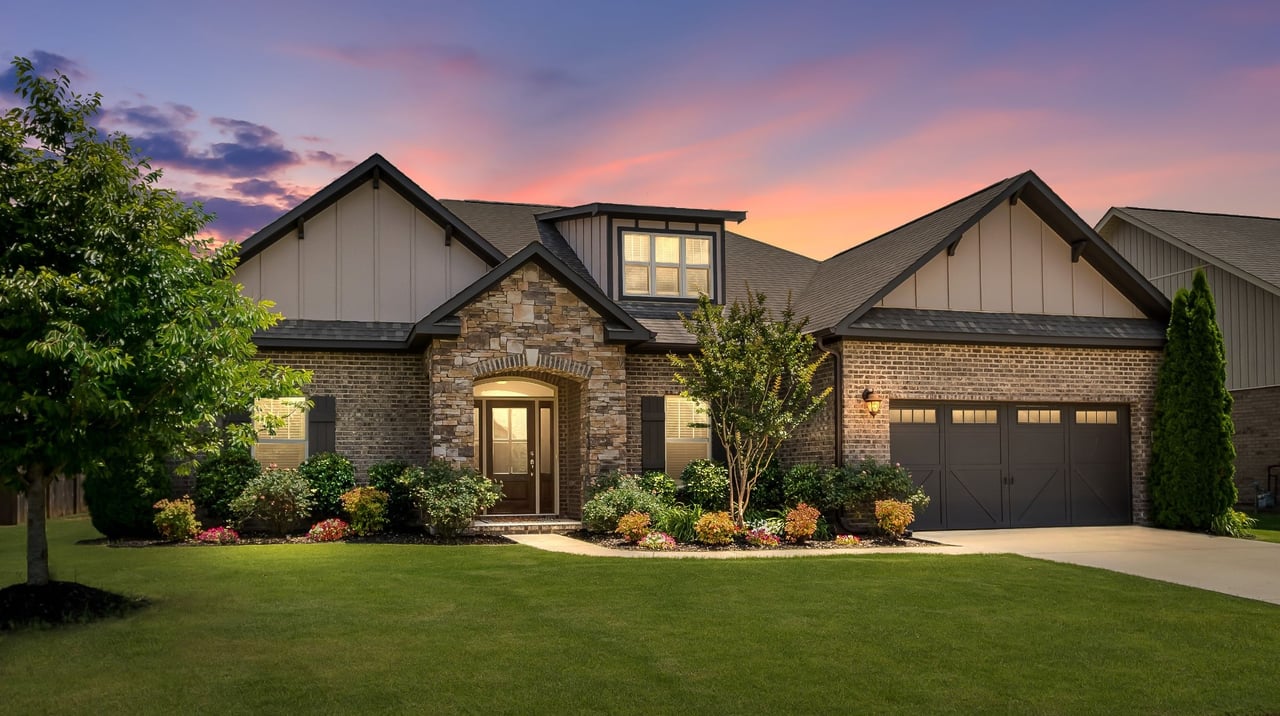
That planning pattern helps explain the city’s residential feel. Many newcomers will notice a suburban layout with neighborhood amenities woven into the community structure.
Neighborhood Character and Home Types
The city’s zoning FAQ describes townhomes as single-family attached homes in compact, neighborhood-style settings intended to feel residential, walkable, and compatible with nearby homes. That points to a housing mix that includes detached homes along with some more compact options.
Census QuickFacts adds useful context. Cedar Park has an owner-occupied housing rate of 66.7%, a median value of owner-occupied homes of $513,600, a median gross rent of $1,846, and 2.70 persons per household.
For you as a buyer or renter, this suggests a city with a strong ownership base, established single-family areas, and some higher-density pockets. Your experience can vary by price point, home style, and location within Cedar Park, which is why local guidance matters.
What New Residents Often Notice First
When people relocate to Cedar Park, they often look for a quick read on the overall lifestyle. Based on the city’s own planning and resident materials, a few patterns stand out:
- Strong access to parks, trails, and outdoor amenities
- Easy connections to Austin through roads, Metrorail, and local microtransit
- A suburban neighborhood structure shaped by master-planned development
- Growing walkable civic and mixed-use areas, especially around Bell District
- Local shopping, dining, and entertainment that support daily convenience
Taken together, those features give Cedar Park a practical, active, and community-oriented feel. It is the kind of place where your daily life can revolve around nearby amenities while still keeping Austin within reach.
Why Cedar Park Appeals to Relocating Buyers
If you are moving to the Greater Austin area, Cedar Park can appeal for simple reasons. You get access to a mature suburban community, a growing civic core, and a strong mix of recreation and convenience.
You also get options. Whether your priority is trail access, proximity to local events, easier regional connections, or a neighborhood setting with built-in amenities, Cedar Park offers several ways to match lifestyle goals with where you live.
The key is knowing how different parts of the city may align with your routine, budget, and home preferences. That is where working with someone who knows the north Austin corridor can help you make a more confident decision.
If you are planning a move to Cedar Park and want clear, low-pressure guidance on neighborhoods, timing, and what to expect, Keri Jackson can help you build a smart plan for your next move.
FAQs
How close is Cedar Park to downtown Austin?
- Cedar Park is about 17 miles from downtown Austin, and the city says residents have direct access to major highways and Metrorail.
What is everyday outdoor life like in Cedar Park?
- The city maintains more than 1,000 acres of parkland, 46 city-maintained parks, and 34 miles of trails, so outdoor recreation is a regular part of daily life for many residents.
What transportation options do Cedar Park residents have?
- Residents can use major highways, Metrorail access, and LiNK Cedar Park microtransit, which connects riders within the city and to Lakeline Station.
What kinds of amenities can new Cedar Park residents expect nearby?
- Cedar Park offers parks, pools, trails, a public library, shopping areas, dining destinations, and entertainment venues like H-E-B Center at Cedar Park.
What kind of neighborhood feel does Cedar Park have?
- City planning materials point to a suburban pattern shaped by master-planned communities, along with more walkable mixed-use areas such as the Bell District.
Are there entertainment and community events in Cedar Park?
- Yes. The city highlights events such as Friday Night Flix and Cedar Sparktacular, and H-E-B Center at Cedar Park hosts more than 130 events annually.